What Is the Indigenous Courtworker Program?
The Indigenous Courtworker (ICW) Program helps ensure fair and equitable treatment of Indigenous people navigating the Canadian criminal justice system.
Our courtworkers provide culturally sensitive support and legal guidance to help reduce systemic barriers and improve outcomes.
Although new to New Brunswick, the ICW Program has been serving communities across Canada since 1978. We recognize that involvement in the criminal justice process can feel overwhelming. That’s why we are here to guide you through legal procedures, connect you with relevant services, and help you understand your rights and responsibilities.
Our goal is to provide culturally grounded support while encouraging the courts to recognize and respect the perspectives, values, customs, and socio-economic realities of Indigenous people.
Contact an ICW in your region.
About the Indigenous Courtworker Program
What Can An ICW Do For You?
Provide basic information about the legal processes as soon as possible, including:
The nature and reason for criminal charges.
What are the steps to a trial.
What you are required to do at each stage of the process.
What rights you have at each stage of the process.
What happens if you do not comply with court orders.
How to act in a formal court setting.
Help you manage the legal process, including:
Connecting you and communicating with a lawyer.
Explaining legal documents and assisting you to complete them.
Speaking with court officials with you.
Attending court with you.
Connecting you to relevant community services and resources (e.g. social and medical services, education, employment, and Indigenous support).
On a broader level, ICWs are a bridge between the court and Indigenous communities.
Who’s Eligible?
To be eligible for support under the Indigenous Courtworker Program, you must:
Be registered, or be entitled to be registered, under the Indian Act;
Be a member of a First Nation or recognized under a First Nation’s identity law;
Be recognized from your Inuit land claim organization;
Have an ancestral connection to a community and prove community acceptance;
Or provide other evidence of Indigenous identity that is deemed satisfactory by the agency.
ICW Services In New Brunswick
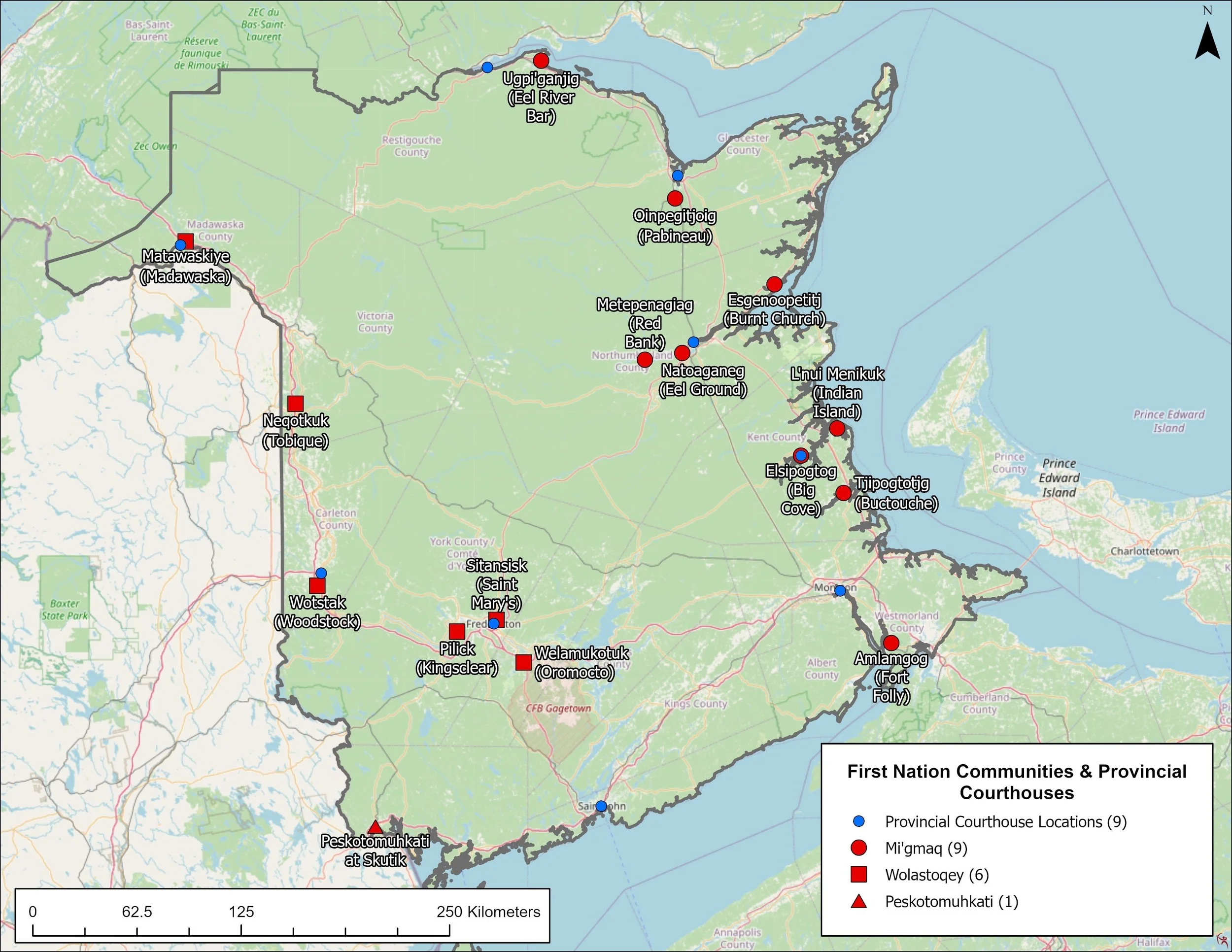
Eastern New Brunswick
Restigouche to Albert County
Serviced by MJI (Mi’gmaq Justice Initiative)
Courthouses we service:
Moncton Courthouse
Elsipogtog Healing to Wellness Court
Miramichi Courthouse
Bathurst Courthouse
Campbellton Courthouse
Saint John Courthouse (jointly supported by MJI and WTCI)
Meet the Team
-
![]()
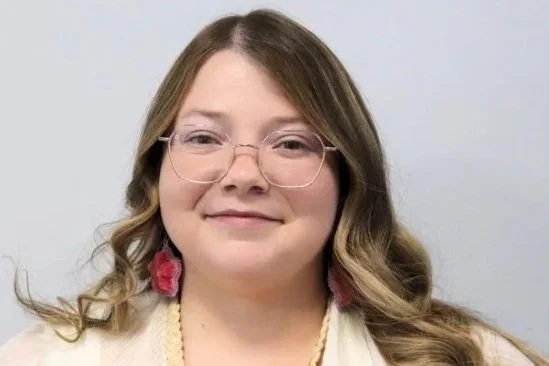
VICKY PALMATER
SENIOR INDIGENOUS COURT WORKER
Moncton Provincial Court •Saint John Provincial Court
Vicky is from Ugpi’ganjig (Eel River Bar) First Nation and lives in Moncton, NB with her family. She joined the Mi’gmaq Justice Initiative as Senior Indigenous Court Worker, where she supports individuals navigating the justice system through culturally grounded, Mi’gmaq-informed practices.Her work includes providing court support, advocacy, and guidance to help clients understand their rights and processes. She is a proud mother and Jumi.
-
![]()
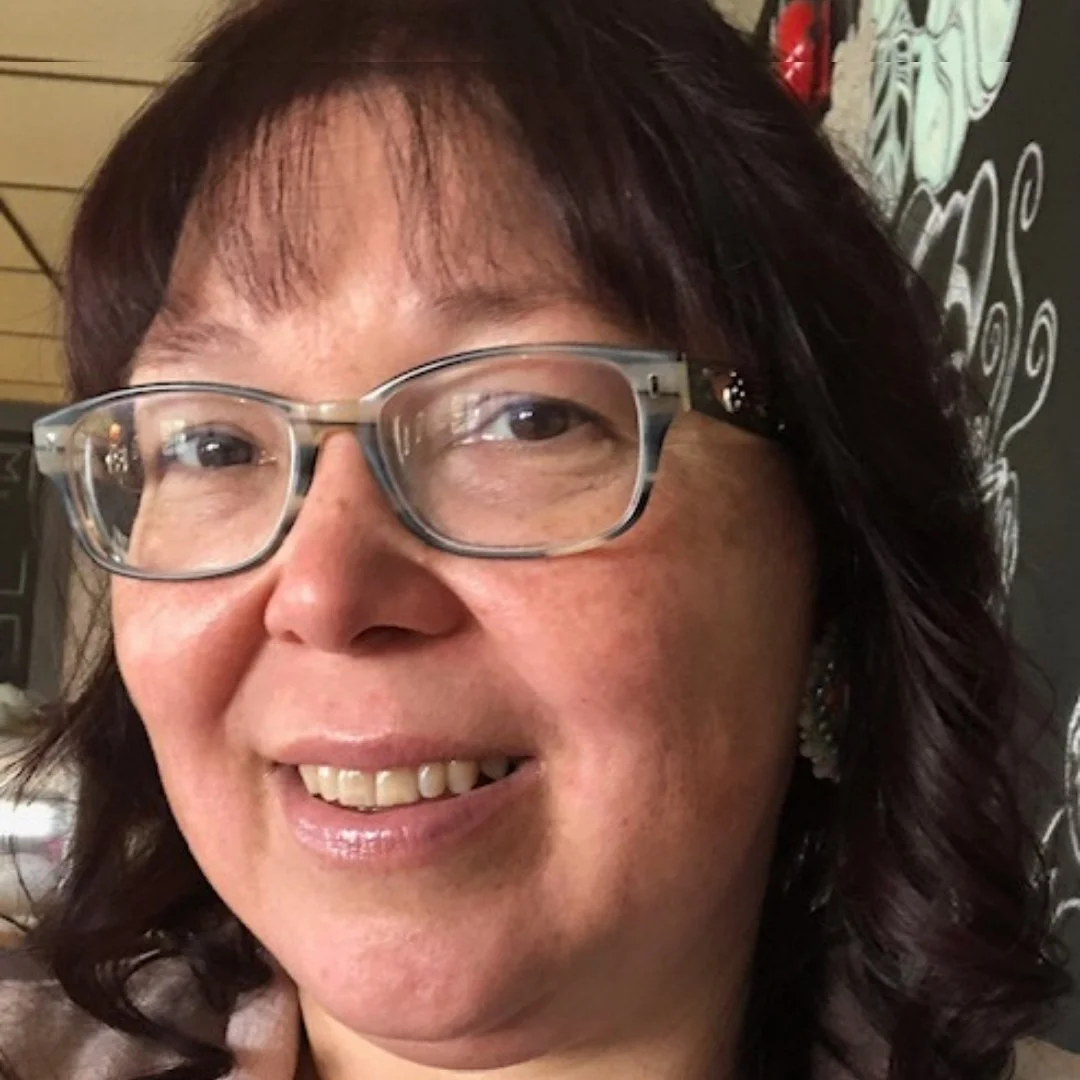
RYLEY WARD
INDIGENOUS COURT WORKER
Miramichi Provincial Court
Riley Ward is a Mi’gmaq woman from Natoaganeg First Nation. She holds a Bachelor of Arts in Native Studies and Criminology, with a minor in Sociology, from St. Thomas University.
Riley has experience supporting Indigenous youth, including creating culturally safe spaces and helping youth stay connected to their culture. She is a strong advocate for Indigenous rights across Mi’gma’gi and the Wabanaki territories. -
![]()
DONNA GAUVIN
INDIGENOUS COURT WORKER
Campbellton Provincial Court •Bathurst Provincial Court
Donna Gauvin is a Mi’gmaq woman from Ugpi’ganjig First Nation. She holds a Bachelor of Laws from Dalhousie University and a Bachelor of Arts from Saint Mary’s University.Donna brings extensive experience in justice, wellness, and youth support, including roles in restorative justice, youth court, and MMIWG awareness and prevention. She is also a women’s traditional drummer and a mother of two.
-
![]()
JASMINE DREW
INDIGENOUS COURT WORKER
Elsipogtog Healing To Wellness Court • Moncton Provincial Court •Miramichi Provincial Court
Jasmine is from Miawpukek First Nation (Conne River, Newfoundland). She holds a Bachelor of Social Work from Memorial University and has seven years of experience working with First Nations communities as a Child Protection Social Worker.Her work has included supporting families through child welfare processes while incorporating culturally grounded approaches. Raised in Mi’gmaq culture and ceremony, she is also a lifelong jingle dress dancer.
-
![]()
DANIELLE DOUCET
INDIGENOUS COURT WORKER
Danielle is a member of Esgenôpetitj (Burnt Church) First Nation. She holds a Bachelor Arts in Psychology and Criminology with a minor in Native Studies from St. Thomas University.Her experience includes supporting youth using a compassionate and culturally aware approach. Her work focuses on helping individuals navigate systems, access resources, and feel heard and supported. She is passionate about contributing to a more equitable and culturally inclusive justice system.